
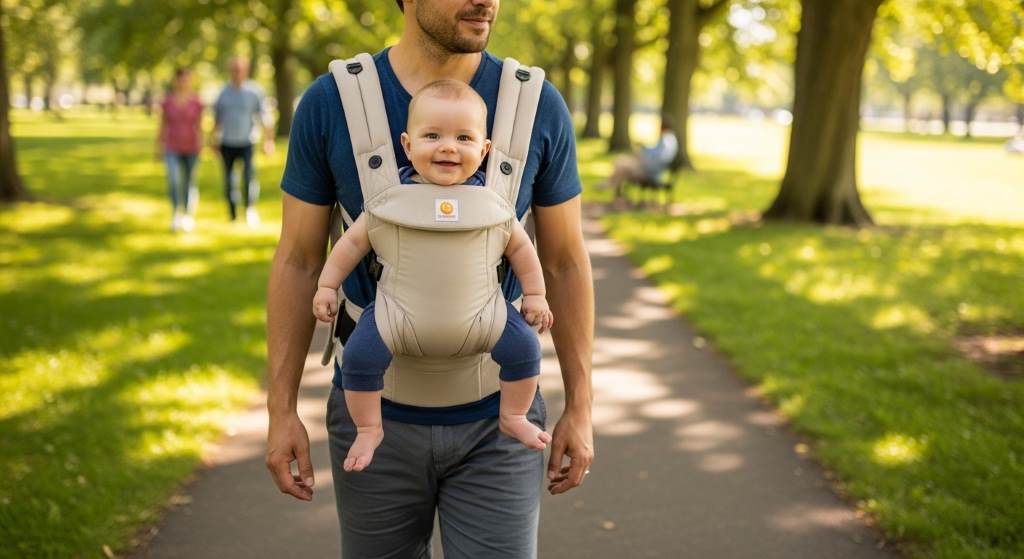
How Ergonomic Baby Carriers Help You and Your Baby Plus a Look at MOMTORY 6-in-1
Read Time:13 Minute, 10 Second
Imagine stepping out for a walk with your little one nestled close, feeling their heartbeat sync with yours while your hands stay free for that much-needed coffee. Parents everywhere cherish these moments, yet many overlook how such simple acts boost both health and happiness. Ergonomic baby carriers make this possible by supporting natural postures that nurture growth and connection. Researchers from the American Academy of Pediatrics highlight that close carrying calms babies and strengthens bonds. In fact, studies show babies carried regularly cry 43 percent less daily. Another key insight comes from a 2023 Boise State University research, revealing wide-base carriers promote healthy hip positions. Dive into the Ergonomic Baby Carrier Benefits as we explore how these tools transform parenting, including a spotlight on innovative options that adapt to your lifestyle.
What Makes a Baby Carrier Ergonomic?
Parents often wonder what sets ergonomic designs apart from basic slings or wraps. Essentially, these carriers prioritize proper alignment for both you and your child. They feature structured support that mimics natural holding positions, distributing weight evenly across your body.
Designers craft them with padded straps, adjustable panels, and breathable fabrics. This setup ensures your baby’s spine curves gently, while their legs spread in a supportive M-shape. Consequently, pressure stays off delicate joints, allowing free movement.
Moreover, experts emphasize the role of hip-friendly features. The International Hip Dysplasia Institute certifies many models as safe, noting how they maintain thighs supported up to the knees. This prevents strain during extended use.
Transitioning to daily routines, such carriers adapt seamlessly. You adjust them quickly for front or back positions, making errands effortless. Parents report feeling more confident, knowing their choice aligns with pediatric guidelines.
Additionally, materials matter greatly. Soft, skin-friendly cottons reduce irritation, while mesh options enhance airflow in warmer weather. These elements combine to create a comfortable experience for everyone involved.
Key Benefits for Your Baby’s Physical Growth
Babies thrive when carried close, and ergonomic designs amplify this advantage. They support crucial developmental milestones through thoughtful positioning. For instance, the upright stance strengthens neck muscles as your child looks around curiously.
Furthermore, research underscores hip health improvements. A 2023 study from Boise State University examined ultrasound images, finding wide-base carriers align hips similarly to medical harnesses used for dysplasia treatment. This positioning encourages sockets to form properly, reducing risks in vulnerable infants.
Beyond hips, spine support plays a vital role. Carriers maintain a natural C-curve, avoiding flat surfaces that might hinder alignment. As a result, babies develop better posture over time.
Sensory stimulation also surges. Close to your movements, infants experience gentle rocking that refines balance and coordination. Pediatricians note this mimics womb sensations, soothing newborns effectively.
In addition, breathing benefits emerge. Upright holds keep airways open, per American Academy of Pediatrics advice. This minimizes reflux issues common in reclined positions.
Finally, motor skills advance faster. Free leg movement in supported spreads builds strength, preparing for crawling and walking stages ahead.
Emotional and Psychological Advantages for Infants
Connection forms the heart of parenting, and carrying fosters deep bonds. Skin-to-skin contact releases oxytocin, the hormone that enhances attachment. Studies from 2024, including one in the Journal of Child and Family Studies, show fathers using carriers become more responsive to cues.
Moreover, reduced crying stands out. Classic research from Pediatrics in 1986, confirmed by recent reviews, indicates carried babies fuss 43 percent less. This calmness stems from feeling secure against your chest.
Transitioning to social growth, infants observe interactions up close. They learn facial expressions and voices, boosting language development. Experts observe quicker vocabulary gains in worn babies.
Additionally, sleep patterns improve. The rhythmic motion lulls them naturally, leading to longer naps. Parents share stories of peaceful outings where babies doze contentedly.
Furthermore, emotional regulation strengthens. Proximity helps infants self-soothe by mirroring your calm state. Over time, this builds resilience against stress.
In essence, these carriers create a nurturing environment. Your baby feels loved and protected, laying foundations for confident exploration later.
How These Carriers Ease Parental Life
Parents juggle endless tasks, and ergonomic carriers free up hands without sacrificing closeness. You cook dinner or fold laundry while keeping your little one content. This multitasking boosts productivity immensely.
Moreover, physical strain decreases. Padded waistbands and straps distribute weight, easing back and shoulder aches. A 2025 systematic review in Healthcare journal found back carries cause fewer alterations than arm-holding.
Transitioning to mental health, benefits shine brightly. A 2023 randomized trial in ScienceDirect revealed providing carriers lowers postpartum depression symptoms. Mothers felt more empowered and less isolated.
Additionally, bonding deepens for all caregivers. Fathers in a 2024 Taylor & Francis study showed increased sensitivity after using carriers regularly. This shared experience strengthens family ties.
Furthermore, mobility enhances. Navigate crowded spaces or hikes with ease, unlike bulky strollers. Users praise the freedom during travel or daily commutes.
In short, these tools transform challenges into joys. You gain confidence, knowing your choice supports well-being for everyone.
Boosting Breastfeeding Success Through Carrying
Nursing on the go becomes simpler with ergonomic support. The close position allows discreet feeding without stopping activities. Many mothers report smoother latching due to familiar scents and sounds.
Research backs this up. A 2022 Juniper Publishers review linked babywearing to longer breastfeeding durations. Proximity prompts more frequent feeds, maintaining supply effectively.
Moreover, skin contact stimulates milk production. Oxytocin surges during holds, aiding let-down reflexes. This proves especially helpful in early weeks.
Transitioning to comfort, adjustable straps accommodate positions. You shift easily for optimal alignment, reducing nipple strain.
Additionally, public outings feel less daunting. Carriers provide privacy, encouraging continued nursing beyond home.
Ultimately, this practice nurtures both nutrition and connection. Your baby feeds calmly, while you stay engaged in life.
Enhancing Family Bonding and Daily Routines
Families flourish when everyone connects deeply. Ergonomic carriers invite partners and siblings into the mix. Dads often take turns, building their unique relationships through shared carries.
Stories abound of magical moments. Picture a park picnic where your toddler chats with the baby up close. These interactions foster empathy and love.
Moreover, routines streamline. Morning walks become family traditions, promoting health for all. Exercise feels achievable with hands-free options.
Transitioning to household harmony, chores divide better. One parent carries while another preps meals, creating balance.
Additionally, travel adventures expand. Airports and trails turn accessible, enriching experiences together.
In the end, these carriers weave closeness into everyday life. Your family grows stronger through simple, supported touch.
Choosing the Ideal Ergonomic Carrier for Your Needs
Selecting the right model involves considering your lifestyle. Think about frequency of use and preferred positions. Versatile options suit growing families best.
First, check weight ranges. Most support from newborn stages up to toddler years, ensuring longevity.
Next, evaluate adjustability. Multiple straps allow sharing among caregivers of different sizes.
Moreover, fabric choices matter. Breathable meshes work for hot climates, while cottons offer softness year-round.
Transitioning to features, look for pockets and bibs. These add convenience for outings.
Additionally, certifications count. Hip-healthy seals from institutes confirm safety.
Finally, try fittings if possible. Comfort emerges through personal trials, guiding your perfect match.
A Detailed Examination of the MOMTORY 6-in-1 Model
Versatility defines the MOMTORY 6-in-1, adapting to various stages effortlessly. It offers six positions, from front inward for tiny newborns to back carries for active toddlers.
Designers prioritize comfort with padded elements. The wide waistband spreads load, while shoulder straps cushion pressure points.
Moreover, the detachable hip seat stands out. Use it alone for quick holds or combine for full support.
Transitioning to materials, premium cotton ensures breathability. This keeps both you and baby cool during activities.
Additionally, storage pockets hold essentials like keys or pacifiers. A built-in bib catches drools, maintaining cleanliness.
Safety features impress too. The ergonomic M-position earns hip-healthy recognition, promoting proper development.
Users appreciate the lightweight foldability. It packs neatly into bags, ideal for on-the-go parents.
In comparisons, it rivals premium brands in functionality. Yet, its intuitive adjustments make switches smooth after practice.
Overall, this carrier blends practicality with care. Families find it transforms daily interactions positively.
Safety Guidelines Every Parent Should Follow
Prioritizing safety starts with proper fitting. Adjust straps snugly, ensuring two fingers fit under them for circulation.
Always monitor your baby’s face. Keep it visible and kissable, per AAP recommendations. This prevents airway blocks.
Moreover, avoid slings for newborns initially. Structured options provide better support until four months.
Transitioning to positions, start front-facing inward. Graduate to outward or back as strength builds.
Additionally, check for wear regularly. Frayed fabrics compromise security, so inspect before each use.
Furthermore, limit time in hot weather. Hydrate and watch for overheating signs like flushed skin.
In activities, bend at knees, not waist. This maintains balance and protects your back.
By following these, you ensure joyful, secure experiences. Confidence grows with each safe outing.
Addressing Common Concerns and Misconceptions
Many worry carriers cause hip issues, but evidence shows otherwise. Proper ergonomic models actually support development, reducing dysplasia risks.
Another myth involves back strain. Yet, studies reveal they lessen load compared to arm-carrying.
Moreover, some think babies spoil from closeness. Research counters this, showing independence blooms from secure bases.
Transitioning to overheating, breathable designs mitigate this. Choose meshes for warmer days.
Additionally, concerns about speech delay arise. However, proximity enhances vocal interactions, boosting language.
Finally, doubts on father involvement persist. Trials demonstrate carriers increase paternal engagement effectively.
Clearing these myths empowers choices. You embrace benefits with informed peace.
Integrating Carriers into Your Exercise Routine
Staying active post-baby proves challenging, yet carriers help. Start with gentle walks, feeling the added resistance build strength.
Yoga poses adapt well. Downward dogs with front carries engage cores subtly.
Moreover, hiking trails beckon. Back positions distribute weight, allowing longer treks.
Transitioning to home workouts, dance sessions entertain. Your baby giggles along, making fitness fun.
Additionally, consult professionals for modifications. They ensure safe alignments during movements.
Over time, endurance improves. You reclaim energy, modeling health for your child.
Supporting Postpartum Recovery with Smart Carrying
Recovery demands gentleness, and carriers aid this. They reduce arm fatigue, preserving energy for healing.
Light carries promote walking, aiding circulation. This combats swelling common after birth.
Moreover, mental boosts emerge. Feeling capable lifts spirits amid changes.
Transitioning to core support, waistbands stabilize. They encourage proper posture during activities.
Additionally, consult doctors on timing. Most approve after six weeks, depending on delivery.
In this way, carriers become recovery allies. You navigate new motherhood with grace.
Cultural Perspectives on Baby Carrying Practices
Around the world, carrying traditions vary richly. African communities use vibrant cloths for back holds, fostering community bonds.
In Asia, mei tais offer adjustable comfort. These inspire modern ergonomic innovations.
Moreover, Indigenous groups emphasize skin contact. This aligns with research on attachment benefits.
Transitioning to Western adaptations, structured carriers blend heritage with science.
Additionally, global studies highlight universal advantages. Reduced crying spans cultures, uniting experiences.
Exploring these broadens views. You appreciate timeless wisdom in contemporary tools.
Long-Term Impacts on Child Development
Early carrying influences last. Secure attachments predict better social skills in school years.
Cognitive gains appear too. Stimulated senses sharpen focus and learning.
Moreover, physical health endures. Proper hip positioning prevents later joint issues.
Transitioning to emotional resilience, worn babies handle separations confidently.
Additionally, family dynamics strengthen. Siblings learn care through shared routines.
Research from 2024 underscores these. Interventions show lasting sensitivity in parents.
Thus, investments pay dividends. Your child grows balanced and connected.
Environmental Considerations in Carrier Choices
Sustainability matters to modern parents. Opt for organic cottons that minimize chemical use.
Many brands recycle materials. This reduces waste in production.
Moreover, durable designs last longer. Hand-me-downs cut consumption effectively.
Transitioning to care, gentle washing extends life. Air drying conserves energy.
Additionally, support ethical makers. Fair labor ensures positive impacts.
In choosing wisely, you nurture the planet. Your baby inherits a healthier world.
Personal Stories from Real Parents
Sarah recalls her first outing. With her carrier, she shopped confidently, baby cooing happily.
Mark shares bonding moments. Back carries during hikes built unbreakable trust.
Moreover, Lisa overcame isolation. Daily walks connected her with neighbors, easing blues.
Transitioning to challenges, Tom practiced adjustments. Soon, seamless switches became routine.
Additionally, Emma values versatility. From newborn snuggles to toddler adventures, it adapted.
These tales inspire. You see real transformations through simple tools.
Advanced Features in Modern Carriers
Innovations elevate experiences. Sunshades protect during outings, blocking UV rays.
Reflective strips enhance visibility at dusk. Safety during evening strolls improves.
Moreover, integrated tech emerges. Some include heartbeat monitors for peace.
Transitioning to customization, modular parts allow personalization.
Additionally, antimicrobial fabrics reduce germs. Hygiene stays top-notch.
These advancements meet needs. You enjoy cutting-edge support effortlessly.
Combining Carriers with Other Parenting Tools
Strollers complement carriers for longer trips. Switch as energy wanes.
Play mats pair well. Transition from carry to floor time seamlessly.
Moreover, monitors assist naps. Place baby down after soothing holds.
Transitioning to feeding, bibs integrate. Mess-free meals on the go.
Additionally, toys attach easily. Entertainment keeps moods bright.
Blending tools maximizes efficiency. Your routine flows smoothly.
Preparing for Your First Carry
Begin with tutorials. Videos guide proper buckling step-by-step.
Practice with dolls first. Build confidence before real use.
Moreover, start short. Ten-minute sessions acclimate both.
Transitioning to mirrors, check positions visually.
Additionally, seek groups. Local meetups offer tips.
Preparation ensures success. You embark assuredly.
Evolving Needs as Your Baby Grows
Newborns crave inward holds. Security dominates early days.
At three months, outward views engage. Curiosity sparks.
Moreover, six-month shifts bring hip seats. Independence grows.
Transitioning to toddlers, back carries prevail. Energy matches exploration.
Additionally, adjust fabrics seasonally. Comfort adapts.
Meeting stages nurtures growth. Your carrier evolves alongside.
Related:
Best exercises for baby to improve mobility and emotions
Is There A Way To Childproof Your Carpet?
Professional Insights from Pediatric Experts
Doctors advocate close contact. It regulates heart rates naturally.
Therapists note motor benefits. Balance refines through motion.
Moreover, psychologists highlight attachment. Secure bases foster exploration.
Transitioning to orthopedics, hip support prevents issues.
Additionally, midwives praise recovery aid. Mobility speeds healing.
Experts unite on value. You gain trusted guidance.
Community Resources for Babywearing Enthusiasts
Join online forums. Share experiences and advice freely.
Local libraries host sessions. Learn hands-on techniques.
Moreover, apps track usage. Monitor patterns effectively.
Transitioning to events, festivals celebrate practices.
Additionally, consultants offer fittings. Personalized help shines.
Communities enrich journeys. You connect meaningfully.
Ergonomic baby carriers revolutionize parenting by fostering health, connection, and convenience. They support your baby’s hips and spine while easing your daily load. Models like the MOMTORY 6-in-1 exemplify versatility, adapting to growth with comfort. Embrace these tools to build stronger bonds and reduce stress. Now, grab a carrier that fits your style and start creating those precious moments today.
FAQs
What defines an ergonomic baby carrier?
Experts classify them by supportive features like padded straps and M-position leg spreads. These ensure alignment that promotes development without strain.
How do carriers benefit newborn hip health?
They maintain thighs supported to knees, mimicking natural holds. Research confirms this reduces dysplasia risks, as certified by specialized institutes.
Can fathers benefit from using these carriers?
Absolutely, studies show increased sensitivity and involvement. Close contact builds confidence and deepens paternal bonds effectively.
What safety checks should parents perform?
Inspect straps for security and keep faces visible. Follow age guidelines to avoid airway issues in young infants.
How long can babies stay in carriers daily?
Aim for sessions up to two hours, with breaks. Monitor comfort and adjust based on activity levels.
Ref:

 0
0
 0
0

Average Rating