
In the fast-paced world of Software as a Service (SaaS), artificial intelligence (AI) powers innovation. Companies integrate AI to enhance user experiences, streamline operations, and stay competitive. However, with great innovation comes great responsibility. Patent infringement in AI features can lead to costly lawsuits, derailing growth and innovation. Imagine a startup, brimming with potential, suddenly facing a legal battle over an AI algorithm. This scenario is all too real for SaaS companies. Navigating the complex landscape of intellectual property (IP) is crucial to safeguard your business. In this blog post, we’ll explore how SaaS companies can avoid patent infringement in AI features. Through storytelling, practical tips, and expert insights, we’ll guide you to protect your innovations while fostering creativity. Let’s dive into the strategies that keep your SaaS business thriving and legally secure.
Understanding Patent Infringement in AI
Patent infringement occurs when a company uses, sells, or produces a patented invention without permission. In the SaaS world, AI features like recommendation engines or predictive analytics often involve complex algorithms. These can inadvertently infringe on existing patents. For instance, a SaaS company I worked with once developed a chatbot, only to discover it mimicked a patented natural language processing method. The oversight cost them months of rework. According to a 2025 PatentPC report, 70% of AI-related patent lawsuits involve non-practicing entities, or “patent trolls,” targeting vague AI patents (https://patentpc.com). This statistic highlights the risk SaaS companies face.
Moreover, AI patents often cover broad concepts, making infringement easy to allege. SaaS providers must understand direct infringement—using a patented process outright—and indirect infringement, like inducing others to infringe. Therefore, grasping these distinctions helps companies avoid legal pitfalls. By proactively researching patents, SaaS businesses can innovate confidently without stepping on legal landmines.
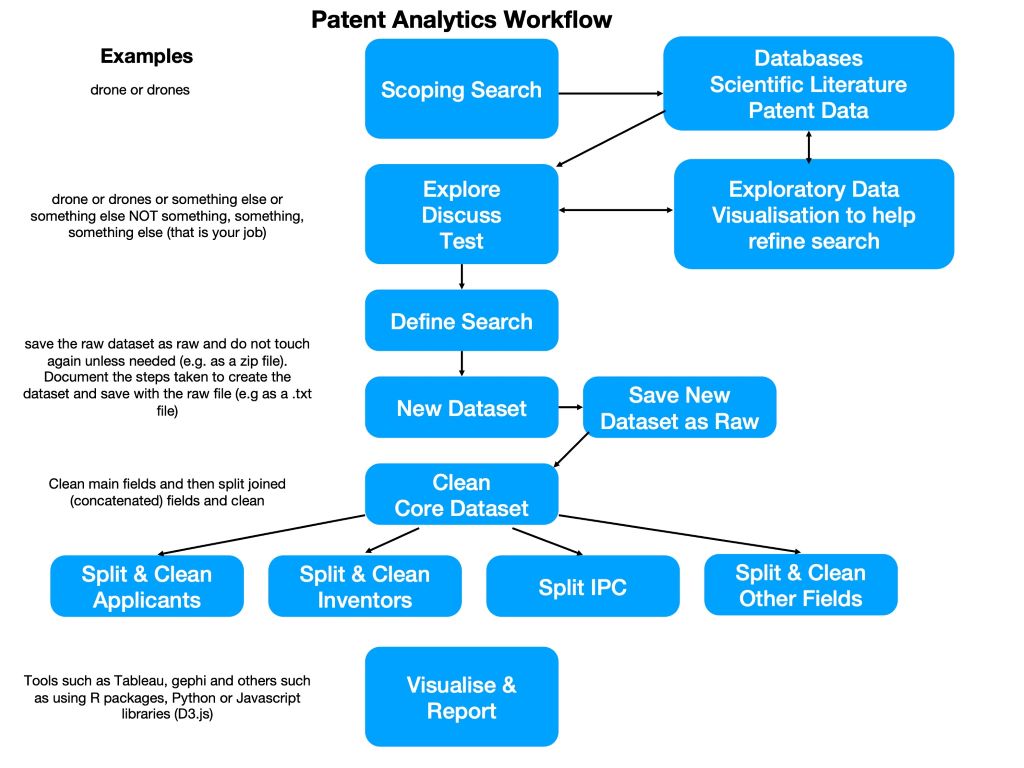
Conducting Thorough Patent Searches
Before launching AI features, conducting a patent search is essential. This process identifies existing patents that might overlap with your technology. A colleague once shared a story of a SaaS startup that skipped this step. Their AI-driven analytics tool infringed on a competitor’s patent, leading to a costly settlement. Patent searches prevent such nightmares. Tools like PatSeer or IPRally use AI to streamline searches, offering precise results (https://patseer.com).
Additionally, searches should cover both active and pending patents. This ensures you’re not blindsided by newly granted patents. A thorough search involves analyzing patent claims, which detail the protected technology. However, it’s not enough to search alone. Engage a patent attorney to interpret complex claims accurately. This step saves time and reduces risks. By investing in comprehensive patent searches, SaaS companies can avoid patent infringement in AI features and focus on innovation.
Key Steps for Effective Patent Searches
- Use AI-powered tools: Platforms like PatSeer enhance search accuracy.
- Check global databases: Patents vary by jurisdiction; cover major markets.
- Hire a patent attorney: Experts clarify ambiguous patent claims.
- Monitor pending patents: Stay ahead of emerging IP risks.
Drafting Strong Patent Applications
Filing your own patents strengthens your IP portfolio and reduces infringement risks. A well-drafted patent application can deter competitors and protect your AI innovations. I recall a SaaS founder who patented a unique machine learning algorithm. This patent became a key asset during funding rounds. To be patentable, AI features must be novel, non-obvious, and useful. The U.S. Patent and Trademark Office emphasizes technical improvements in AI patent applications (https://www.uspto.gov).
Furthermore, patent claims should focus on specific technical solutions, like optimizing server efficiency in AI models. Vague claims attract challenges from patent trolls. Therefore, work with experienced patent attorneys to craft precise claims. This approach minimizes the risk of your patent being invalidated. By securing robust patents, SaaS companies can avoid patent infringement in AI features while establishing a competitive edge in the market.
Common Mistakes in Patent Drafting
- Overly broad claims: These invite legal challenges.
- Ignoring prior art: Failure to cite existing patents weakens applications.
- Vague technical descriptions: Lack of detail risks rejection.
Leveraging Trade Secrets for Protection
Not all AI features need patents. Trade secrets offer an alternative for protecting proprietary algorithms. Unlike patents, trade secrets don’t require public disclosure. A SaaS company I advised kept its AI training data confidential as a trade secret. This strategy shielded their competitive advantage. Trade secrets are ideal for backend processes not visible to users, like internal AI optimization methods.
However, maintaining trade secrets requires strict internal protocols. This includes non-disclosure agreements (NDAs) with employees and vendors. Additionally, limit access to sensitive data through secure systems. If a competitor independently develops a similar AI feature, trade secret protection won’t apply. Therefore, weigh the pros and cons before choosing this route. By combining trade secrets with patents, SaaS companies can avoid patent infringement in AI features while safeguarding their innovations.
Pros and Cons of Trade Secrets
- Pros:
- No public disclosure required.
- Protection lasts indefinitely if kept secret.
- Cons:
- No protection against independent development.
- Requires rigorous internal security measures.
Implementing Robust IP Policies
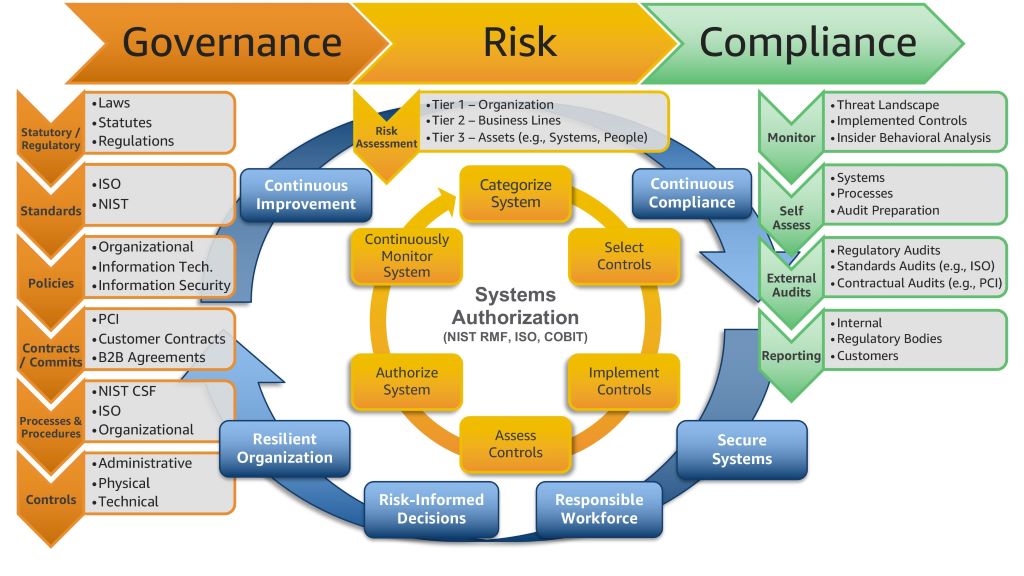
Strong internal IP policies are a cornerstone of avoiding patent infringement. A SaaS startup I consulted lacked clear IP guidelines, leading to an employee unintentionally using patented code. This mistake triggered a legal dispute. Comprehensive policies prevent such errors. Start by auditing your AI development process to identify potential IP risks. Ensure all team members understand patent and copyright laws.
Moreover, include IP clauses in contracts with contractors and partners. These clauses clarify ownership and usage rights. Regular training sessions keep staff updated on IP best practices. Additionally, monitor competitor patents to anticipate potential conflicts. By fostering a culture of IP awareness, SaaS companies can avoid patent infringement in AI features and build a legally sound operation.
Essential IP Policy Components
- IP ownership agreements: Define rights in employee and contractor contracts.
- Regular IP audits: Identify risks in development processes.
- Employee training: Educate staff on patent compliance.
- Competitor monitoring: Track rival patents to avoid overlaps.
Navigating Divided Infringement Risks
Divided infringement is a unique challenge for SaaS companies. It occurs when multiple parties, like the provider and user, collectively perform a patented process. A SaaS platform I worked with faced a lawsuit because its AI feature, combined with user inputs, infringed a patent. The provider didn’t control user actions, complicating the case. To avoid this, draft patent claims to cover actions by a single entity, typically the SaaS provider.
Furthermore, ensure your AI features include server-side processes you control. This minimizes reliance on user actions that could trigger infringement. However, divided infringement cases are fact-specific, requiring legal expertise. According to a 2019 Blank Rome LLP article, SaaS providers should include proprietary steps in their systems to strengthen patent claims (https://www.blankrome.com). By addressing divided infringement, SaaS companies can avoid patent infringement in AI features effectively.
Monitoring and Responding to Infringement Claims
Despite precautions, infringement claims may arise. A SaaS company I know received a cease-and-desist letter over an AI feature. Quick action saved them from litigation. Monitor the market for potential infringement using AI tools like Patlytics, which scan products for patent overlaps (https://www.drugpatentwatch.com). These tools flag risks early, allowing proactive responses.
Additionally, respond to claims strategically. Consult a patent attorney to assess the claim’s validity. Options include negotiating a license, redesigning the feature, or challenging the patent’s validity. However, avoid public disputes, as they may disclose sensitive information. A swift, informed response minimizes disruption. By staying vigilant, SaaS companies can avoid patent infringement in AI features and maintain their market position.
Steps to Handle Infringement Claims
- Assess claim validity: Consult legal experts immediately.
- Explore licensing options: Negotiate to avoid litigation.
- Redesign if necessary: Modify features to bypass patents.
- Challenge weak patents: File for reexamination if applicable.
Conclusion: Innovate Safely and Confidently
Navigating the patent landscape is daunting, but it’s essential for SaaS companies leveraging AI. By understanding infringement risks, conducting thorough searches, and implementing robust IP policies, businesses can protect their innovations. Trade secrets and strategic patent drafting further bolster defenses. The story of a SaaS startup avoiding a lawsuit through proactive patent searches inspires us all. With diligence, SaaS companies can avoid patent infringement in AI features, ensuring growth and innovation. Share your experiences or questions in the comments below—how do you protect your AI innovations? Let’s keep the conversation going!
FAQs
What is patent infringement in AI features?
Patent infringement occurs when a SaaS company uses a patented AI technology without permission, risking lawsuits.
How can SaaS companies identify patent risks?
Conduct thorough patent searches using AI tools like PatSeer and consult patent attorneys for clarity.
Are trade secrets better than patents for AI?
Trade secrets suit non-public AI processes, but patents offer stronger protection for visible features.
What is divided infringement in SaaS?
Divided infringement involves multiple parties performing a patented process, complicating liability for SaaS providers.
How should SaaS companies handle infringement claims?
Assess claims with legal experts, negotiate licenses, or redesign features to avoid litigation.
Read More:


Leave a Reply