
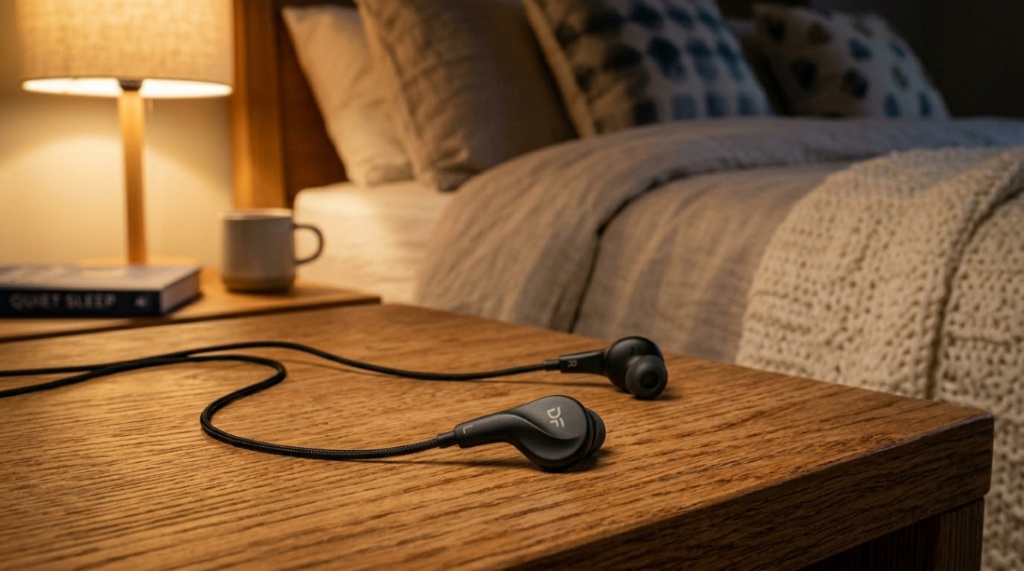
I wasted $85 on three pairs of cheap sleep headphones before spending $32 on the fourth pair that actually worked—because the first three purchases targeted the wrong specifications. Price alone does not predict sleep headphone quality; knowing which features matter for overnight use versus which are marketing noise separates money well-spent from money wasted. Budget headphones for sleeping must meet specific minimum thresholds for battery life, profile thickness, and material comfort that $10–$15 options consistently fail, but $60+ options provide minimal improvement over properly chosen $25–$40 options for the specific demands of sleep use. This guide identifies the exact price point where affordable sleep headphones deliver genuine all-night performance and which specifications separate functional budget options from cheap garbage that ends up in your drawer after one uncomfortable night.
What Minimum Specifications Must Budget Sleep Headphones Meet?
Budget sleep headphones must meet five minimum thresholds to function for overnight use: 8+ hour battery life (covers full sleep), under 6 mm speaker profile (side-sleeping comfort), Bluetooth 5.0+ (stable connection, low latency), washable/removable contact surfaces (hygiene for nightly use), and volume sufficient to mask ambient noise at safe levels.
- Battery: 8+ hours minimum. A headphone that dies at 3 AM provides half a night’s benefit. Quality budget options deliver 10–12 hours—charge before bed and forget about it until morning. Under 6 hours is unusable for sleep.
- Speaker profile: under 6mm. This is the comfort threshold for side sleeping. Above 6 mm, the speaker creates noticeable pressure between the ear and pillow within 1–2 hours. Measure or check reviews specifically mentioning side-sleep comfort.
- Bluetooth 5.0+: Older Bluetooth versions disconnect during sleep, requiring re-pairing at 3 AM. BT 5.0 maintains stable connections for 8+ hours, has better battery efficiency, and has lower audio latency. Non-negotiable for 2024+ purchases.
- Washable surfaces: Nightly use for 8 hours generates significant sweat and oil buildup. Headband styles must have removable, machine-washable fabric. Earbud styles must have replaceable tips. Non-washable options become unhygienic within 2–3 weeks.
- Adequate volume: Must play loud enough to mask snoring/ambient noise at 50–55dB without distortion. Some ultra-budget options have speakers too weak to mask anything beyond silence — effectively useless for noise management.

What Is the Real Price Floor for Functional Sleep Headphones?
$20–$25 is the genuine price floor for sleep headphones that meet all five minimum specifications—below this threshold, products consistently fail on battery life (under 6 hours), speaker quality (distortion at needed volumes), or Bluetooth reliability (connection drops during sleep).
- Under $15 (avoid): BT 4.0/4.2 (unstable connections), 4–5 hour batteries (die mid-sleep), thick speakers (uncomfortable side sleeping), and non-removable fabrics (unhygienic within weeks). These consistently fail their primary purpose and waste money that could buy a functional option.
- $15–$20 (minimum viable): Some functional options exist, but quality control is inconsistent—50% chance of receiving a product that meets minimum specs. Read reviews carefully and buy from sellers with easy returns. Acceptable for testing whether sleep headphones work for you.
- $20–$35 (reliable budget): Consistent quality meeting all five minimum specs. This range represents the genuine sweet spot where you reliably receive a functional product. Multiple reputable sellers compete here, driving quality up.
- $35–$50 (premium budget): Better speakers (sound quality improvement noticeable for music listeners), longer battery (12+ hours), softer materials, better build quality. Worth it for nightly committed users who want maximum durability.
- $50+ (diminishing returns for sleep): Improvements primarily benefit music quality rather than sleep functionality. White noise sounds identical through $30 and $80 headphones. Only justified if you also use them for high-quality music listening before sleep.
Finding a pair of nighttime earbuds that do not hurt your ears can completely transform your rest. While tracking down affordable, specialized options is a great way to protect your wallet, you might also want to look at how major tech brands handle wireless audio. If you want to expand your options, you can easily connect Sony Bluetooth headphones to your nighttime routine or devices for a premium, reliable sound experience that complements your budget setup.
Which Budget Sleep Headphone Style Offers Best Value?
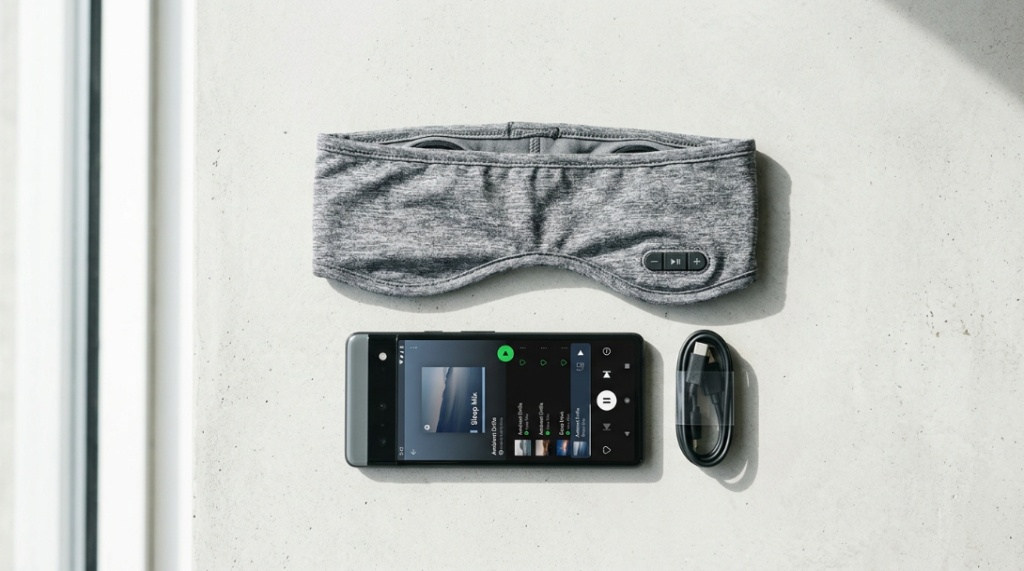
Headband-style sleep headphones at $25–$35 offer the best value because they combine comfortable all-position sleeping, 10+ hour battery life, washable fabric, easy speaker removal for washing, and adequate sound quality—all in one product without the durability or comfort compromises that plague budget earbuds.
Budget style comparison:
| Style | Budget Price | Side Sleep Comfort | Sound Quality | Durability | Best For |
|---|---|---|---|---|---|
| Headband | $20–$35 | Excellent | Adequate for sleep audio | Good (washable, replaceable speakers) | Most sleepers, especially side sleepers |
| True wireless buds | $30–$60 | Variable (depends on size) | Better (isolated drivers) | Moderate (small, easy to lose) | Back sleepers wanting better audio |
| Wired headband | $10–$20 | Good | Adequate | Poor (cables fail, tangle) | Ultra-budget testing only |
| Pillow speakers | $15–$30 | Excellent (nothing worn) | Poor (muffled, directional) | Good | People who cannot wear anything |
How Do You Avoid the Most Common Budget Sleep Headphone Traps?
Five traps catch budget buyers: fake reviews inflating ratings (check “verified purchase” only), misleading battery claims (tested at lower volume than sleep use requires), “comfortable” claims from non-side-sleepers, speakers too thick hidden by marketing angles in photos, and no-return policies from marketplace sellers.
- Fake review inflation: Many sub-$20 products have thousands of 5-star reviews that are incentivized or fake. Filter to verified purchases only. Look for reviews specifically mentioning “all night” use, side sleeping, or battery lasting past 6 hours. Generic reviews (“great product!”) are worthless for sleep assessment.
- Battery claim inflation: Manufacturers test batteries at 50% volume. Sleep masking often requires 60–70% volume. Real-world battery may be 25–30% less than claimed. A “10-hour battery” may deliver 7 hours at sleep-effective volume. Check user reviews for real-world battery reports.
- Comfort claims without position specification: “Super comfortable!” from a back sleeper means nothing to a side sleeper. Only trust comfort reviews that specify sleeping positions. Side-sleep comfort is 3x harder to achieve than back-sleep comfort—demand specific position confirmation.
- Misleading photos: Product photos show headphones from angles that hide thickness or use models with hair covering fit issues. Look for side-profile photos and user-submitted images showing actual thickness against ears/pillows.
- No-return marketplace sellers: Buy only from sellers offering 30+ day returns. Sleep headphones require a minimum of 3–5 nights of testing to properly evaluate. Sellers offering no returns or 7-day windows know their products do not survive real testing.
For tested, verified budget recommendations, the best budget headphones for sleeping reviewed provide genuine overnight testing data with position-specific comfort ratings and real-world battery measurements—cutting through the inflated marketing claims that dominate this product category.
Conclusion
Choosing budget headphones for sleeping without wasting money means targeting the $25–$35 headband category that reliably delivers all five minimum specifications: 8+ hour battery, sub-6mm speakers, Bluetooth 5.0, washable fabric, and adequate masking volume. Below $20, you gamble on inconsistent quality. Above $50, you pay for audio improvements irrelevant to sleep use. The sweet spot lives in that $25–$35 range where competition drives quality while price remains genuinely budget-friendly.
Stop buying $12 options that fail after one night and accumulate in drawers. One properly chosen $30 purchase replaces three failed $12 purchases while actually delivering the sleep improvement you are seeking. Check the five minimum specs, read side-sleeper-specific reviews, buy from return-friendly sellers, and invest once in something that genuinely works every night for a year or more.
What was your budget sleep headphone breakthrough—and how many duds did you buy before finding it? Share your journey below.
Frequently Asked Questions
Are $10 sleep headphones ever worth buying?
Rarely. At $10, products consistently fail on battery (4–5 hours), comfort (thick speakers), or connectivity (old Bluetooth that drops). The only exception: wired headband options that eliminate battery concerns but introduce cable-tangle hazards. If $10 is your absolute maximum, a wired headband is functional but not ideal. Saving $25 provides a dramatically better experience.
How do I know if a budget sleep headphone will last?
Durability indicators: removable/replaceable speakers (longest lifespan), washable headband fabric (maintains hygiene without degradation), reinforced Bluetooth module housing (survives nightly flexing), and brand with responsive customer service (warranty replacement when issues arise). User reviews mentioning 6+ months of use confirm real-world durability.
Can budget sleep headphones sound good enough for music?
For casual listening (podcasts, ambient music, audiobooks before sleep): yes. For critical music listening (detail, bass response, soundstage): no. Budget sleep headphone speakers are optimized for low-volume masking audio—they lack the driver quality and frequency response for audiophile music enjoyment. If music quality matters, budget $45–$60 for better drivers.
Should I buy two pairs and rotate them?
Smart strategy. Rotating two $25 pairs: one charges while the other is in use (never worry about dead battery), one stays clean while the other is being washed, and you have immediate backup if one fails. Total investment: $50 for a completely reliable nightly system versus $25–$35 for a single-pair setup with charging and washing gaps.
What if I sweat a lot during sleep?
Choose headband styles with removable, machine-washable fabric covers. Wash weekly at minimum—moisture degrades speakers and breeds bacteria. Moisture-wicking athletic fabrics (available on some brands) perform better than standard cotton for sweaty sleepers. Avoid memory foam padding that absorbs and holds moisture against skin.
Do budget sleep headphones work with sleep-tracking apps?
Most budget Bluetooth sleep headphones work independently of sleep tracking apps (which typically use the phone’s accelerometer, not headphone data). They can coexist—a phone runs a sleep tracker while headphones play masking audio. Some premium options integrate with specific apps, but budget options provide audio playback only without smart features.

Leave a Reply