

The year is 2024. We’ve come a long way from the early days of search engine optimization (SEO), when keyword stuffing was a common (and often effective) tactic for boosting a website’s ranking. But does this archaic practice still hold any sway in today’s sophisticated SEO landscape? Let’s dive in and separate fact from fiction.
What is Keyword Stuffing (and Why Was It Ever a Thing)?
Keyword stuffing, in its simplest form, involves cramming a web page with a target keyword or phrase, often in unnatural or repetitive ways. The goal? To signal to search engines like Google that the page is highly relevant to that specific keyword, thus improving its ranking in search results.
In the early days of SEO, when search algorithms were far less sophisticated, this tactic often worked. However, it quickly became clear that keyword stuffing led to a poor user experience, with content that was difficult to read and often nonsensical.
The Evolution of Search Algorithms (and the Death of Keyword Stuffing)
Fast forward to 2024, and search algorithms have evolved significantly. Google, in particular, has made immense strides in understanding natural language and user intent. This means that they can now easily identify keyword-stuffed content and penalize websites that employ this outdated tactic.
So, Does Keyword Stuffing Still Matter in 2024?
The short answer is a resounding no. In fact, keyword stuffing is now considered a black-hat SEO technique – a practice that violates search engine guidelines and can result in severe penalties, including a drop in rankings or even removal from search results entirely.
The Modern Approach to Keyword Optimization
Instead of keyword stuffing, the focus in 2024 is on creating high-quality, relevant content that naturally incorporates keywords and phrases. This approach not only satisfies search engines but also provides a positive user experience, which is increasingly important for SEO success.
Here are some key principles of modern keyword optimization:
- Focus on User Intent: Understand what your target audience is searching for and create content that directly addresses their needs and interests.
- Use Keywords Naturally: Incorporate keywords and phrases throughout your content in a way that feels organic and flows well.
- Prioritize Quality Over Quantity: Create in-depth, informative content that provides real value to your readers.
- Optimize On-Page Elements: Pay attention to title tags, meta descriptions, header tags, and image alt text, ensuring they include relevant keywords.
- Build a Strong Backlink Profile: Earn links from other reputable websites to signal your authority and credibility.
Related: Know the 7 main SEO mistakes that you should avoid
The Rise of Semantic Search and Topical Authority
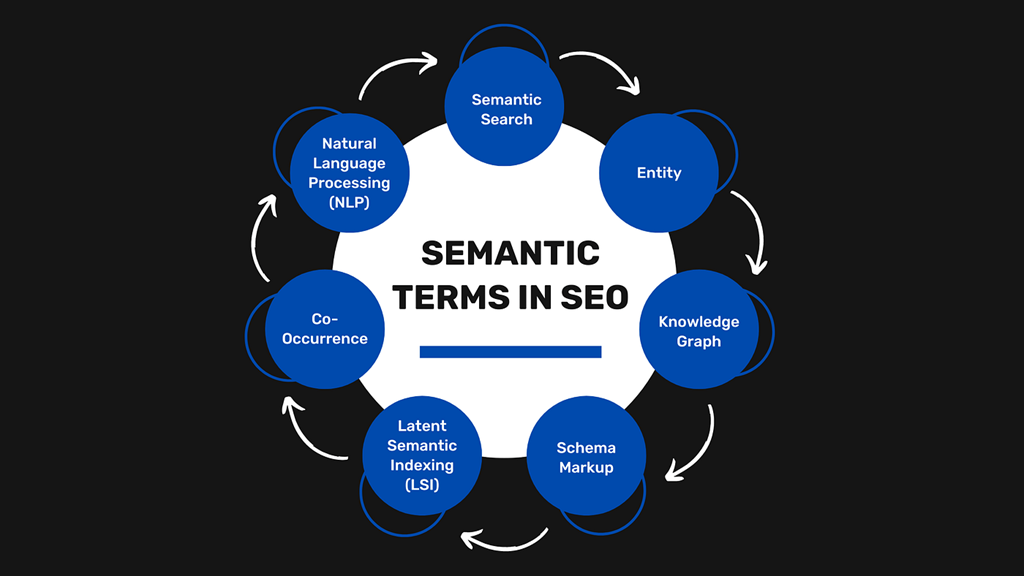
In recent years, there’s been a shift towards semantic search – a method that focuses on understanding the meaning and intent behind a search query, rather than just matching keywords. This has led to the rise of topical authority, where websites that cover a topic comprehensively are rewarded with higher rankings.
To succeed in this landscape, it’s important to focus on creating content that covers a topic in depth, rather than trying to rank for individual keywords. This involves creating a cluster of related content pieces that link to each other, establishing your expertise in that particular area.
The Importance of User Experience
In 2024, user experience (UX) is a critical factor for SEO success. Search engines want to deliver the best possible results to their users, and this means prioritizing websites that offer a positive experience.
This includes factors like:
- Page Load Speed: Users expect websites to load quickly, and slow-loading pages can lead to high bounce rates.
- Mobile-Friendliness: With the majority of searches now happening on mobile devices, it’s crucial that your website is optimized for mobile viewing.
- Easy Navigation: Users should be able to easily find the information they’re looking for on your website.
- Engaging Content: High-quality, informative content that keeps users engaged is essential for reducing bounce rates and encouraging repeat visits.
The Future of SEO
As we look to the future, it’s clear that SEO will continue to evolve. Search engines will become even better at understanding natural language and user intent, and the focus will continue to shift toward creating high-quality, user-centric content.
Keyword stuffing, on the other hand, will become increasingly irrelevant and even detrimental to SEO success. So, if you’re still clinging to this outdated tactic, it’s time to let go and embrace the new era of SEO.
In Conclusion
In the world of 2024 SEO, keyword stuffing is not only ineffective but also potentially harmful. Instead, focus on creating valuable content that naturally incorporates keywords and prioritizes the user experience. By staying up-to-date with the latest trends and best practices, you can ensure that your website remains competitive in the ever-changing landscape of SEO.



Leave a Reply