
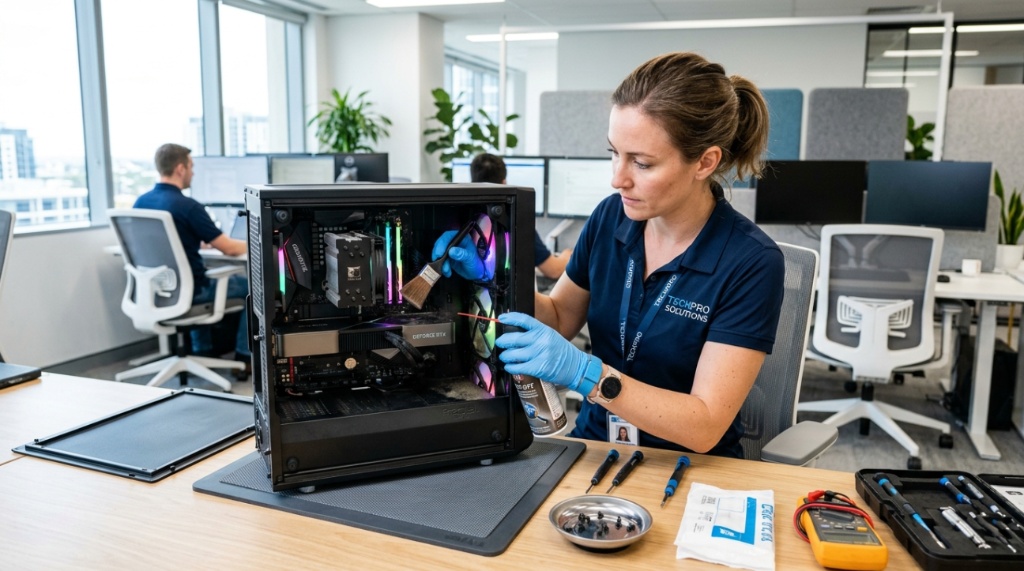
Your computer is the workhorse of your daily life, but let’s be honest—when was the last time you actually cleaned it? Not just the files, but the physical dust, crumbs, and grime clogging your keyboard and cooling fans? If you live in the Show-Me State, you face a unique challenge: dust from our dry summers and muddy winters. Finding the best PC cleaners Missouri residents trust isn’t just about grabbing any can of air. It’s about choosing the right tools that protect your investment. Many people ruin their electronics with the wrong cleaning agents. This guide will show you exactly what to look for, what to avoid, and how to clean like a professional without damaging your expensive gear.
We will break down the best types of cleaners, discuss specific Missouri considerations, and provide step-by-step instructions for a safe cleaning process. By the end, you will know precisely which tools are worth your money and which ones are simply gimmicks.
What Makes a PC Cleaner “The Best” for Missouri Residents?
The best cleaner for your setup depends on more than just brand recognition. It depends on your environment. Missouri’s climate—with its high humidity in the summer and dry, dusty winters—creates a specific type of grime that is a mixture of dust, pollen, and moisture residue.
Why Humidity and Dust Matter
High humidity causes dust to clump and stick to surfaces like a magnet. A standard can of compressed air might blow away loose dust, but it won’t remove the sticky film that builds up on your keyboard keys and monitor. This is why the best PC cleaners Missouri offer a combination of dry dusting and safe wet cleaning solutions specifically designed for electronics.
Understanding Different Cleaning Agents
There is a huge difference between household glass cleaner and a specialized electronics cleaner. Household cleaners often contain ammonia or alcohol, which can strip the protective coating off your screen or damage the plastic casing of your PC. The best products use a 70% isopropyl alcohol solution (or a proprietary safe formula) that evaporates quickly without leaving residue.
Which Type of PC Cleaner Do You Actually Need?
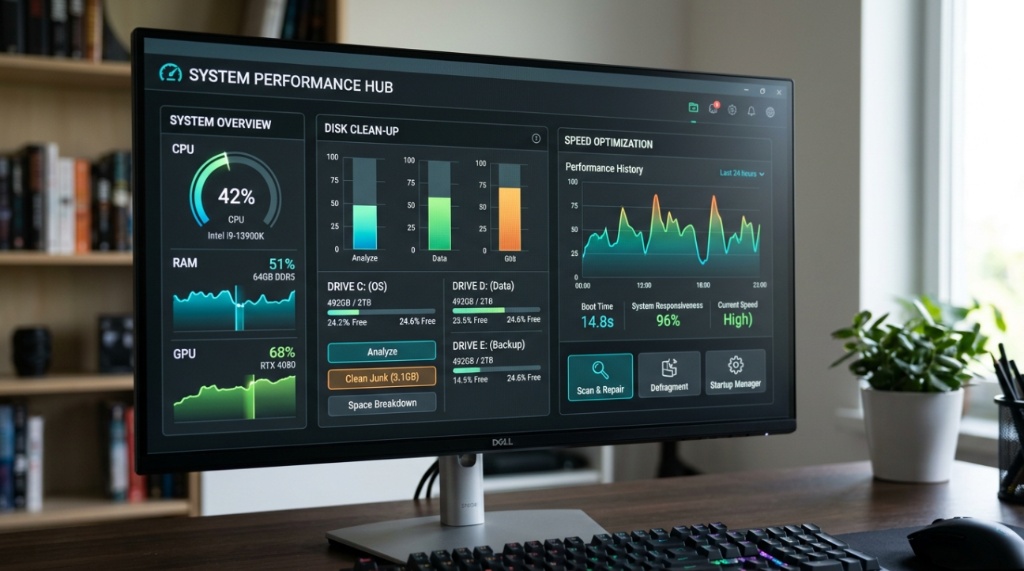
You generally need two distinct types of tools: one for removing loose debris and one for disinfecting and deep-cleaning surfaces. Let’s break down the three primary categories.
Compressed Air vs. Electric Air Blowers
Compressed air cans are convenient but can have downsides, such as moisture sputtering out if held upright. Electric air blowers, like the OPOLAR or Metro Vacuum, are a safer, more powerful investment. They offer consistent pressure and never run out of “charge.” For a deep clean of your PC tower, an electric blower is often considered the best PC cleaner for Missouri PC enthusiasts.
Cleaning Gels and Slimes for Keyboards
Cleaning gel is fantastic for removing debris from the crevices of mechanical keyboards. It can reach into places that air simply pushes around. However, be cautious with cheaper gels that leave sticky residue behind. Look for a reputable brand that specifically states it is non-conductive and residue-free.
UV-C Sanitizing Wands and Devices
While UV-C light kills germs, it does not remove physical dust. It is an excellent “secondary” step for disinfecting your mouse and keyboard, especially during allergy season. However, it is not a substitute for wiping down surfaces. If you are looking for a comprehensive solution, pair a UV wand with a microfiber cloth and a non-ammonia cleaning spray.
How to Clean a Laptop or PC Tower Safely in 2026
Cleaning hardware is about patience and using the right technique. Rushing this process can lead to bent pins, static shock, or broken fans. Here is the safe process that professionals use.
Step 1: Shut Down and Unplug Everything
Before you touch any hardware, shut down your computer completely, unplug it from the wall, and disconnect all peripherals. If you are cleaning a laptop, remove the battery if it is detachable. This is non-negotiable for safety and prevents any electrical shorts.
Step 2: Dust the Internal Components (Desktop)
Open your PC case and use an electric blower or compressed air to dust the fans, heat sinks, and power supply. Hold the fans in place with a finger or a pen to prevent them from spinning. Uncontrolled spinning can generate electricity and damage the motherboard.
Step 3: Wipe Down Surfaces
Dampen a microfiber cloth (do not spray directly) with a 70% isopropyl alcohol solution. Wipe down the exterior casing, monitor bezel, and keyboard keys. If you are looking for a market-specific recommendation, you can find several top-rated kits listed under the best PC cleaners Missouri that include safe sprays and cloths.
Is Compressed Air Still a Good Option in 2026?
Yes, but with caveats. Compressed air is still the most accessible and affordable way to clean out a PC tower. However, new regulations regarding propellants have changed how these cans perform.
Pros and Cons of Aerosol Cans
Pros: They are cheap, available at any local hardware store, and easy to use for quick dust removal.
Cons: They can freeze the skin if used incorrectly, they are wasteful (single-use), and they can spray liquid propellant if tilted. For a quick fix, they are fine. For a serious, thorough cleaning, an electric blower is superior.
When to Avoid Compressed Air
Avoid using compressed air on sensitive optical lenses (like VR headsets) or on open hard drives. The force can shatter small components. Also, do not use it on a laptop keyboard directly at close range, as it can push debris further under the keys.
Why Is My Keyboard Sticky Even After Cleaning?
Sticky keys are usually caused by sugary drinks or skin oils, not just dust. If you clean with dry air, the sugar remains. You need a specific cleaning solution to break down that sticky residue.
Using Isopropyl Alcohol Correctly
Do not use rubbing alcohol on your screen, as the concentration can degrade anti-reflective coatings. Instead, use it on the keyboard and plastic surfaces. Use a cotton swab dampened with 91% isopropyl alcohol to gently clean around each key. It evaporates quickly and breaks down grime effectively.
The “Rice” Myth for Cleaners
There is a myth that cleaning gels are made from rice powder. While some are, most are a polymer that traps dust. Just ensure you buy a name brand, as cheap generic gels can disintegrate inside your keyboard and cause more harm than good.
What is the Best Way to Clean an LCD Monitor?
Your monitor is often the dirtiest part of your setup because of static attraction. Never use paper towels, as they can scratch the screen. The best method is a dry microfiber cloth for dust, and a specialized screen cleaner (not water) for smudges.
Microfiber Cloth Techniques
Always use a clean, soft microfiber cloth (at least 1000 GSM). Wipe in a circular motion or from top to bottom. Do not press hard; let the cloth do the work. If there are stubborn spots, breathe on the screen (light moisture) or use a screen-safe spray applied to the cloth.
What Not to Use on Screens
Never use Windex, vinegar, or any cleaning product containing ammonia. These chemicals will strip the anti-glare coating on modern LCD and OLED displays, leaving a permanent, blotchy smear that ruins the visual quality.
Can Cleaning Gels Damage My Mechanical Keyboard?
Cleaning gels can be safe for mechanical keyboards if used correctly, but they can also cause issues if you are careless. The gel can penetrate under the switches if you press too hard, which can interfere with the switch mechanism.
How to Use Cleaning Gel Properly
Press the gel firmly onto the keycaps to pick up debris, but do not push it down into the gaps aggressively. Press, lift, and repeat. If the gel turns gray or black, you are picking up grime. Keep using a clean section of the gel until no more debris comes up.
Alternatives to Gel for Switches
If you need to clean under the keycaps, remove them with a keycap puller and use a soft brush. Gel is best for the surface of the keys, not the mechanisms underneath. For a deep clean, disassembly is always better.
How Often Should You Clean Your PC in Missouri?
The frequency depends on your environment and whether you have pets. In Missouri, seasonal changes affect dust levels significantly. A good rule of thumb is to dust your computer tower every 3 months, but check your filters monthly.
Seasonal Cleaning Schedule
Summer (June-August): High humidity slams the Show-Me State. Dust sticks to cooler surfaces, so clean your intake fans every 6 weeks to prevent over-heating.
Winter (December-February): Dry air and static electricity attract dust. Consider an electric blower monthly, especially if your PC sits on the floor, as heating vents blow dust around constantly.
Signs Your PC Needs Cleaning Immediately
Watch for high fan speeds at idle, excessive heat coming from the exhaust, or visible dust clumps in the vents. If your PC is running louder than it used to, it is likely clogged. Don’t wait for it to thermal-throttle; clean it proactively.
Why Choose a Professional Cleaning Kit Over DIY?
While you can clean a PC with household items, a professional kit ensures you have the right pH-neutral solutions and tools that won’t scratch. Many DIY solutions lead to static damage or residue build-up, which attracts more dust over time.
What to Look for in a Professional Kit
Look for a kit that includes a non-static brush, multiple sizes of microfiber cloths, a screwdriver set for opening the case, and a safe cleaning solution. A kit that offers a travel case is a bonus for storage.
Cost vs. Value
A high-quality kit might cost between $25 and $50, while a new keyboard costs $100+. Investing in a good kit will extend the life of your peripherals and your PC, saving you money in the long run. It is a small price to pay for protection against costly replacements,Maintaining your system’s performance keeps your workflow smooth and responsive, especially if you ever need to troubleshoot hardware issues or control phone from pc if the screen breaks.
Is There a Difference Between “Electronics Cleaner” and “PC Cleaner”?
In most cases, they are the same. The marketing term “PC cleaner” just implies it is safe for plastics, metal connectors, and electronic circuits. The key ingredients are usually isopropyl alcohol and deionized water.
Understanding the pH Balance
Some plastic cleaners are acidic or alkaline, which can cause discoloration. PC-specific cleaners are usually pH-neutral to protect the polymer blends used in modern laptop chassis. Always check the label for “safe on plastics” to ensure compatibility.
The Role of Static Control
Most good PC cleaners include an antistatic agent. This prevents the cleaner itself from creating a static charge as you wipe, which is crucial to preventing ESD (electrostatic discharge) damage to sensitive internal components.
Professional vs. DIY Cleaning: Which is Right for You?
If you are just clearing dust out of your case, DIY with an electric blower is effective. However, if you are dealing with a sticky mass of spills, or if you want a full internal sanitization, a professional service or a heavy-duty kit is better.
When to Hire a Pro
If your laptop is overheating and you are not confident opening it up, a pro can disassemble it and clean the vapor chamber and heatsink properly. This service typically costs $50-$100 and can drastically improve performance.
Safety Tips for DIY
Always wear a grounding strap or touch a metal radiator before touching internal components to discharge static. Do not use a vacuum cleaner inside your PC case, as it creates massive static electricity. Use a blower, not a vacuum.
Frequently Asked Questions
Can I use water instead of a cleaner?
No, tap water contains minerals that leave residue and can cause corrosion. If you must use liquid, use distilled water or a high-purity isopropyl alcohol solution. Do not use tap water on any internal component.
Do I need to buy a specific brand for Missouri?
No specific brand is required, but you should buy one that addresses static and humidity. Brands with anti-static properties are particularly useful for dry winter months to prevent shock buildup.
Is an electric duster worth the investment?
Yes. For desktop users, an electric duster pays for itself after a few cleanings. It provides stronger airflow than canned air, and you never have to worry about the can running out mid-clean. Look for one with a HEPA filter on the intake to avoid blowing dirty air back in.
Can I clean my PC while it is running?
Never. Always power down and disconnect the power cable. Cleaning a running PC risks damage from moving fan blades and static electricity, and you could get a shock from the capacitors.
How do I clean the dust out of a laptop fan?
You usually need to open the bottom panel. If you don’t want to open it, use a compressed air can with the short straw (nozzle) and blow into the exhaust vent. This can dislodge some dust, but won’t be a deep clean. For best results, disassemble the back cover.
What is the safest way to clean a mouse sensor?
Lightly dampen a cotton swab with isopropyl alcohol and gently wipe the lens of the optical sensor. Allow it to dry completely before plugging it back in. This improves tracking accuracy if the sensor is dirty.
Are disinfectant wipes safe for my keyboard?
Most disinfectant wipes have high water content and chemicals that can damage the print on keycaps. It is better to use a wipe that is specifically designed for electronics, or to spray a 70% alcohol solution onto a microfiber cloth and wipe the keyboard that way.
Conclusion
Finding the best PC cleaners Missouri has to offer isn’t about chasing the most expensive gadget; it’s about selecting the right tools for your specific environment. Whether you choose an electric blower for the inside of your tower, a specialized gel for your keyboard, or a safe spray for your monitor, the key is to use them correctly and consistently. Your computer performs better, runs quieter, and lasts longer when it’s free from dust and grime. So, take the plunge today—grab a quality cleaning kit, set aside 30 minutes, and give your tech the care it deserves. Your future self (and your wallet) will thank you.


Leave a Reply