
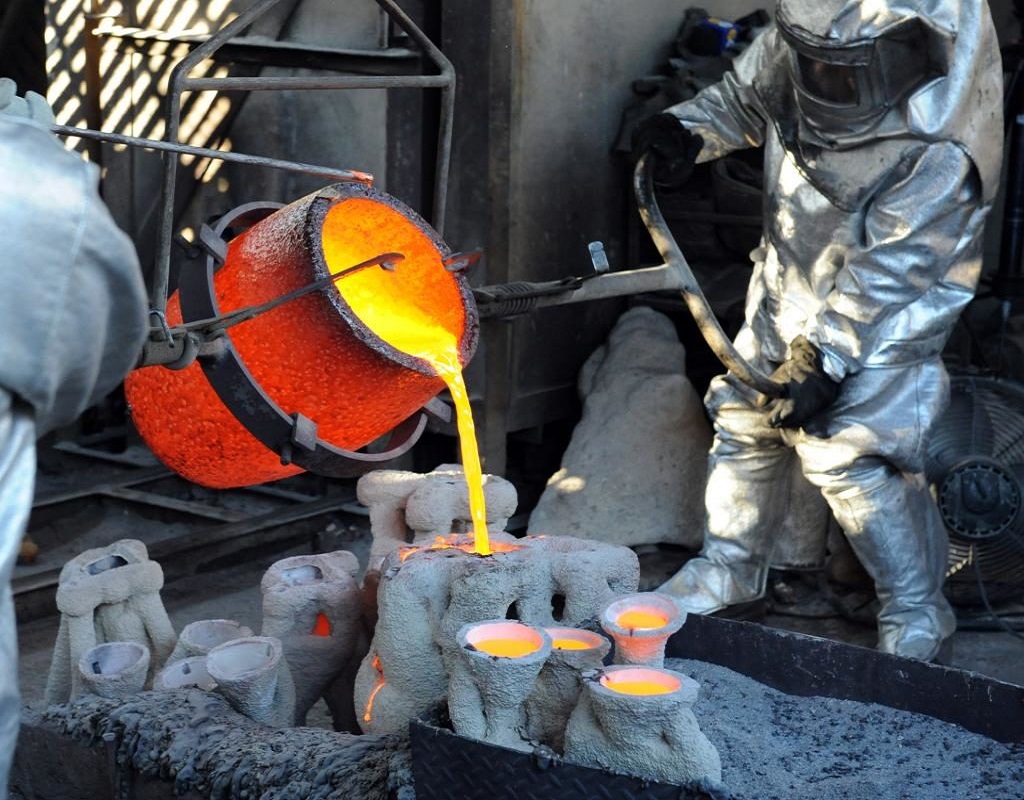
Metal casting and finishing have been pivotal processes in shaping industries worldwide. Whether it’s automotive parts, aerospace components, or industrial machinery, metal casting plays a crucial role in modern manufacturing.
Among the many casting methods available today, die casting services stand out for their precision, repeatability, and efficiency. But casting alone isn’t enough. Proper finishing ensures strength, durability, and aesthetics. This article delves deep into the world of metal casting, its various types, and how finishing techniques enhance final products.
The Fundamentals of Metal Casting
Metal casting is a manufacturing process that involves pouring molten metal into a mold to create a specific shape. Once the metal solidifies, it’s extracted from the mold and refined for further use. This ancient technique dates back thousands of years, with early civilizations using it to produce weapons, jewelry, and tools.
Modern casting methods have revolutionized the industry, allowing for high-precision and high-volume production. Some of the key benefits of metal casting include:
- Complex shapes and designs: Intricate geometries can be created with ease.
- High material utilization: Minimal waste is produced compared to machining.
- Scalability: Casting allows for both small-batch and mass production.
- Cost efficiency: Casting is often more cost-effective than other metal-forming methods.
Types of Metal Casting
Sand Casting
Sand casting is one of the oldest and most versatile casting methods. It involves creating a mold using sand and then pouring molten metal into it.
Advantages of Sand Casting:
- Cost-effective for low-volume production
- Suitable for large and heavy components
- Wide material compatibility (iron, steel, aluminum, etc.)
Disadvantages:
- Lower precision compared to other methods
- More post-processing required
Investment Casting
Also known as lost-wax casting, investment casting uses a wax model to create a ceramic mold. After the wax is melted away, molten metal is poured into the cavity.
Advantages of Investment Casting:
- High precision and intricate detailing
- Minimal material waste
- Excellent surface finish
Disadvantages:
- Longer production time
- Higher costs than sand casting
Die Casting
Die casting involves forcing molten metal into a mold cavity under high pressure. This method is commonly used for non-ferrous metals like aluminum, zinc, and magnesium.
Advantages of Die Casting:
- Excellent dimensional accuracy
- Smooth surface finish
- High-speed production rates
Disadvantages:
- Expensive tooling and setup costs
- Limited to small-to-medium-sized parts
Centrifugal Casting
This method uses centrifugal force to distribute molten metal within a rotating mold, making it ideal for cylindrical components like pipes and bushings.
Advantages of Centrifugal Casting:
- Reduced porosity and improved strength
- No need for cores in hollow parts
- High-quality grain structure
Disadvantages:
- Limited to rotationally symmetric parts
- Requires specialized equipment
Continuous Casting
Continuous casting is primarily used in the steel industry to produce long metal sections, such as bars, rods, and sheets.
Advantages of Continuous Casting:
- High production efficiency
- Consistent quality and uniform properties
- Reduced waste and lower costs
Disadvantages:
- Limited to simple cross-sectional shapes
- Requires high initial investment
What is Metal Finishing?
After casting, metal components often require further processing to improve their functionality and aesthetics. Metal finishing services involve techniques such as grinding, polishing, coating, and plating to enhance the final product.
Common Metal Finishing Techniques
Machining and Grinding
Machining removes excess material to achieve precise dimensions, while grinding smoothens rough surfaces for a polished appearance.
Shot Blasting
This process propels abrasive materials at high speed to clean and strengthen the metal surface.
Electroplating
Electroplating deposits a thin layer of metal (e.g., gold, silver, or nickel) onto the surface to improve corrosion resistance and aesthetics.
Anodizing
Anodizing enhances aluminum parts by creating a durable oxide layer that resists wear and corrosion.
Powder Coating
A dry powder is electrostatically applied and cured under heat, creating a tough and durable finish.
Applications of Metal Casting and Finishing
Metal casting and finishing play essential roles in various industries:
Automotive Industry
Die casting is widely used for engine components, transmission parts, and structural elements. Metal finishing ensures durability against environmental wear.
Aerospace Industry
Investment casting produces intricate jet engine parts, while anodizing improves corrosion resistance.
Construction Sector
Continuous casting creates strong, durable steel beams, while powder coating protects metal structures from harsh conditions.
Medical Equipment
Precision casting techniques manufacture surgical instruments and implants, with electro polishing enhancing biocompatibility.
Conclusion
Metal casting and finishing remain vital to modern manufacturing, offering precision, durability, and efficiency. With advancements in die casting and metal finishing, industries can achieve high-quality results tailored to their specific needs. Whether you’re in automotive, aerospace, or construction, choosing the right casting and finishing method can significantly impact performance and longevity.
If you want to stay ahead in metal manufacturing, investing in the best casting and finishing techniques is essential.


Leave a Reply