
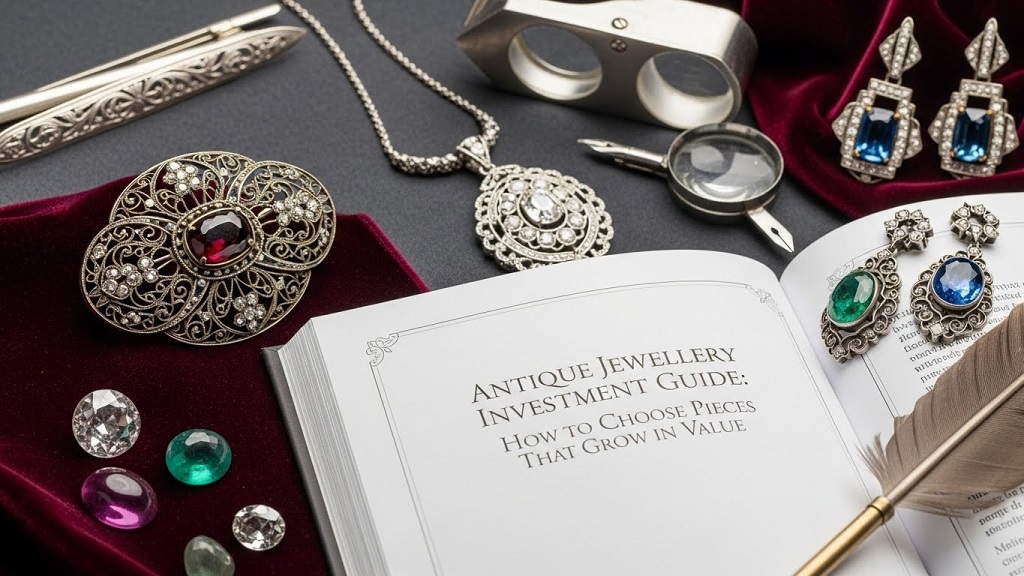
Antique jewellery investment is more than a passion for collectibles—it’s a strategic financial choice. With timeless beauty, craftsmanship, and limited supply, antique jewellery often appreciates in value over time. Unlike modern mass-produced pieces, antiques carry historical significance and rarity that make them sought-after alternatives to traditional investments like stocks or property.
This antique jewellery investment guide explains how to choose timeless pieces, what factors affect value growth, and how to protect your collection. Whether you’re a first-time buyer or experienced collector, this article reveals expert tips to help you make informed choices in a fluctuating market. Discover how antique jewels can act as tangible assets that combine emotion, legacy, and long-term profit.
How Does Antique Jewellery Gain Value Over Time?
Antique jewellery appreciates in value due to a mix of rarity, demand, condition, and provenance. As pieces become harder to find, collectors and investors are willing to pay premium prices. Jewels made between the Georgian, Victorian, Art Nouveau, and Art Deco periods are now becoming prized assets.
Each era has its own aesthetic and craftsmanship qualities. For example:
- Georgian era (1714–1837): Handmade, often featuring foil-backed gemstones and detailed settings.
- Victorian era (1837–1901): Romantic motifs, lockets, and rings symbolizing love and mourning.
- Art Nouveau (1890–1910): Nature-inspired artistry with organic shapes and enamel work.
- Art Deco (1920–1939): Bold geometric designs with platinum, diamonds, and colored stones.
Jewellery from these periods carries historical charm and authenticity—qualities the modern luxury market often lacks.
What Should You Look for When Buying Antique Jewellery?
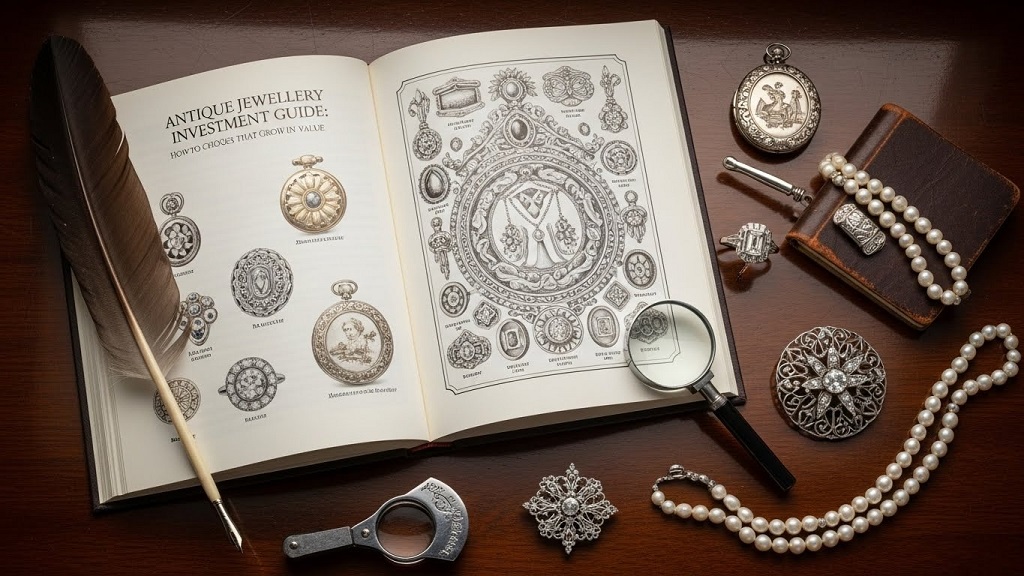
The key to successful antique jewellery investment lies in recognizing specific features that determine authenticity and future appreciation potential.
1. Authenticity and Hallmarks
Ensure the piece is genuine by checking for maker’s marks, assay stamps, and period-specific craftsmanship. Consulting accredited gemologists or antique appraisers can confirm authenticity.
2. Craftsmanship and Materials
High-quality craftsmanship and original materials—such as platinum, 18k gold, or untreated gemstones—enhance both beauty and value. Hand-cut stones and intricate metalwork often indicate superior artisanship.
3. Provenance and Historical Significance
Pieces owned by notable figures or linked to specific historical moments appreciate faster. A documented history adds emotional and financial value to your collection.
4. Condition and Restoration
Condition is critical. Minor signs of wear may add character, but excessive damage or poor restorations reduce value. Always inquire if any alterations were made.
5. Market Demand and Timeless Style
Choose designs that remain eternally appealing—solitaire diamond rings, art deco bracelets, or vintage brooches. These styles stay relevant even as trends shift.
Where Can You Buy Genuine Antique Jewellery?
Authenticity is everything. Buying from trusted sellers ensures your investment is legitimate. Consider these sources:
- Reputable antique dealers: Certified sellers with verifiable credentials and return policies.
- Auction houses: Sotheby’s and Christie’s regularly auction rare vintage jewellery.
- Online antique marketplaces: Platforms like 1stDibs and Ruby Lane offer verified listings.
- Jewellery fairs and exhibitions: Meet experts, compare pieces, and verify value directly.
How to Appraise the Value of Antique Jewellery?
An accurate appraisal determines how much your jewellery is worth today and helps you predict future potential. Professional appraisers analyze:
- Gemstone quality: Carat, cut, color, and clarity significantly influence price.
- Metal content: Platinum and gold retain stable long-term worth.
- Design appeal: Collector demand for specific eras or designers like Cartier or Fabergé.
Getting certified documentation after appraisal not only supports resale value but also assists in insurance coverage.
Is Antique Jewellery a Reliable Investment Compared to Gold or Stocks?
Antique jewellery serves as a hedge against inflation and market volatility. While stocks and cryptocurrencies fluctuate, tangible assets like antiques retain intrinsic worth. Gold value adds further security, as many antique pieces use high-purity alloys that maintain global demand.
Unlike standard gold investments, antique jewellery offers emotional appeal and aesthetic pleasure while appreciating steadily, especially when provenance and rarity are strong.
What Are the Risks of Investing in Antique Jewellery?
Although potentially profitable, every investment carries risks. The key is mitigation through education and expert guidance.
- Forgeries and reproductions: Buy only from vetted sources and request authenticity certificates.
- Market trends: Preferences may shift over decades; avoid trendy pieces with limited historical depth.
- Restoration issues: Over-cleaning or replacing parts can devalue antiques.
- Liquidity: Selling rare jewellery can take time, so be prepared for longer holding periods.
How to Care for and Store Antique Jewellery?
Preserving your collection is essential to maintaining value. Proper storage and care prevent damage over time.
- Store pieces separately in soft-lined boxes to avoid scratches.
- Keep jewellery away from direct sunlight and humidity.
- Avoid harsh cleaning agents; instead, use professional jeweller cleaning services.
- Document every item with photos, appraisals, and purchase receipts for insurance.
How Can You Build a Profitable Antique Jewellery Portfolio?
Diversification applies here as well. Collecting from multiple eras and artisans spreads risk and increases overall value potential.
For example:
- Start with a mix of Victorian lockets, art deco rings, and Edwardian pieces.
- Invest gradually—focusing on quality rather than volume.
- Consult dealers, auction catalogues, and antique jewellery investment guidebooks to refine your expertise.
Trends to Watch in the Antique Jewellery Market
Trends fluctuate based on global demand, celebrity influence, and rising interest in sustainable luxury. Modern consumers are choosing sustainable jewellery instead of newly mined gemstones, fueling market growth for vintage pieces.
In recent years:
- Art Deco designs and colored gemstones have increased in demand.
- Discoveries of signed pieces by brands like Tiffany & Co. command higher auction prices.
- Online marketplaces have made global antique trading more accessible than ever.
Why Invest in Antique Jewellery Today?
Antique jewellery investment combines beauty, history, and profitability. Each piece tells a story and acts as a tangible asset with long-term growth potential. Whether you’re drawn to the elegance of Edwardian brooches or the precision of Art Deco rings, the right purchase can become a cherished heirloom and a rewarding asset.
Now is the time to explore this captivating market. Start small, learn from experts, and build a portfolio that reflects your style and smart financial foresight. Visit trusted dealers, request authentication, and take your first step into the world of timeless treasures.
Start your journey today and discover jewellery that only grows more valuable with time.
FAQs – Antique Jewellery Investment Guide
1. Is antique jewellery a good investment?
Yes, antique jewellery can appreciate significantly over time due to rarity, craftsmanship, and historical significance. Genuine pieces often outperform traditional assets during market downturns.
2. How do I verify if a piece is truly antique?
Check for hallmark stamps, maker’s marks, and certified appraisals. Working with reputable dealers or gemologists ensures authenticity.
3. Which antique jewellery eras are most valuable?
Currently, Georgian, Victorian, and Art Deco pieces see the highest demand, especially those featuring natural diamonds or colored gemstones.
4. How much should beginners invest?
Start with a realistic budget—typically between $1,000 and $5,000. Focus on quality over quantity, and choose well-documented pieces from trusted sellers.
5. How can I protect my antique jewellery investment?
Use professional appraisals, store items properly, and insure them. Avoid frequent wear to minimize risk of loss or damage.
6. What affects antique jewellery resale value most?
Provenance, design popularity, gemstone quality, and overall condition are primary factors. Signed pieces from renowned makers command premium prices.
7. Are antique pieces sustainable alternatives to new jewellery?
Absolutely. Antique jewellery promotes recycling of precious materials and reduces environmental impact, making it both eco-friendly and timeless.


Leave a Reply