
Creating a website today is no longer just about aesthetics or flashy visuals. User experience (UX) and engagement are the new gold standards for online success. Whether you’re building a business website, an eCommerce store, or a blog, your platform must prioritize usability, responsiveness, and interaction. Enter Joomla, an open-source Content Management System (CMS) that stands out for its robust features and user-first architecture.
In this in-depth guide, we’ll explore how Joomla enhances user experience and drives website engagement, highlighting key features, practical benefits, and optimization tips to help you stay ahead in the competitive digital landscape.
What is Joomla?
Joomla is a free and open-source CMS used by millions of developers and businesses worldwide to create dynamic websites and applications. Launched in 2005, Joomla has earned a reputation for its flexibility, scalability, and strong community support.
Quick Facts:
- Over 2 million active websites use Joomla.
- Winner of multiple CMS awards.
- Available in 70+ languages.
- Offers 8,000+ extensions for enhanced functionality.
Joomla is particularly known for combining developer power with user-friendliness, making it suitable for both beginners and advanced users.
Why User Experience Matters in Web Design
User experience is how a visitor feels when navigating your website. A positive UX means users find your site intuitive, fast, and enjoyable. A poor experience leads to high bounce rates, low conversions, and lost trust.
Benefits of Excellent UX:
- Increases user retention.
- Boosts conversion rates.
- Enhances SEO performance.
- Encourages brand loyalty.
Google’s Helpful Content Update prioritizes websites that provide valuable, user-centered content. Joomla’s structure makes it easier to align with these goals.
Key Joomla Features That Boost User Experience
Joomla is designed to make website building efficient and user-focused. Here’s how its core features enhance UX:
-
Responsive Design Out-of-the-Box
Joomla’s templates are mobile-friendly by default. This ensures your site adapts perfectly to all devices—smartphones, tablets, desktops—enhancing accessibility and usability.
LSI keywords: mobile optimization, responsive web design, mobile-first approach
-
Flexible Template System
You can assign different templates to different pages, giving you complete control over layout and functionality. This flexibility helps cater to specific user needs without sacrificing design consistency.
-
Advanced User Access Control
Joomla allows detailed user permissions and group controls. This feature is ideal for membership sites, online communities, or multi-author blogs, enhancing the personalized experience.
-
Multilingual Support
With built-in multilingual capabilities, Joomla enables you to reach global audiences without third-party plugins. Language switching is seamless, improving UX for non-English speakers.
-
Built-in Caching and Speed Optimization
Faster websites keep users engaged. Joomla includes page caching, Gzip compression, and other performance-enhancing features to deliver lightning-fast load times.
Related keywords: site speed, web performance, caching, fast-loading websites
How Joomla Drives Website Engagement
Beyond UX, Joomla also provides tools and functionalities to increase visitor engagement.
-
Content Management & Personalization
Joomla’s content system supports articles, blogs, multimedia, and custom fields, letting you create diverse content that resonates with your audience. You can personalize content using user data, improving relevance and engagement.
-
Integrated Commenting and Forums
Engagement thrives on interaction. With extensions like Kunena Forum and JComments, you can encourage user participation and discussions directly on your website.
-
Social Sharing Integration
Easily add social sharing buttons to your articles and pages. This not only increases your content’s reach but also improves user interaction by encouraging sharing and feedback.
-
Email Marketing and Newsletter Extensions
Tools like AcyMailing help you stay connected with users through targeted newsletters and email campaigns, driving return visits and nurturing user loyalty.
-
Interactive Forms and Surveys
Engage users by integrating forms, polls, and surveys with extensions like RSForm! Pro or Community Surveys. Collect feedback, opinions, and preferences to improve site performance and experience.
SEO & Joomla: A Winning Combination
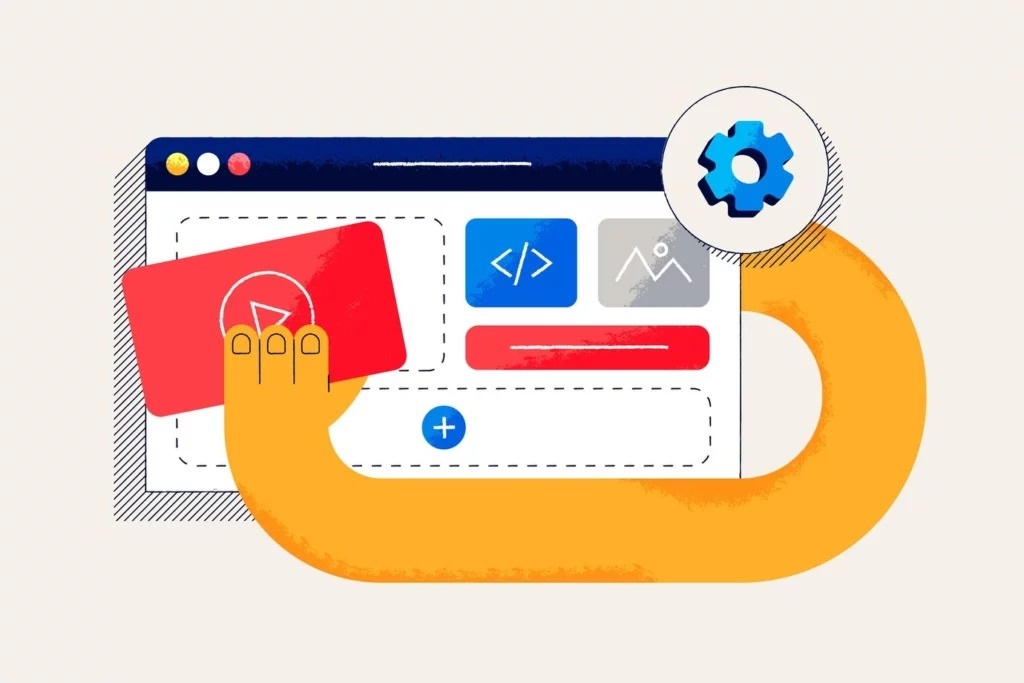
User engagement and UX are closely tied to search engine optimization (SEO). Joomla is well-equipped to help you rank higher on Google while keeping users engaged.
SEO Features in Joomla:
- SEO-friendly URLs
- Meta titles and descriptions
- Canonical URLs to prevent duplicate content
- Open Graph integration
- XML Sitemap support
Combine this with structured data extensions, and you can significantly enhance both visibility and click-through rates (CTR).
LSI Keywords: Joomla SEO, search engine optimization, Google ranking, meta optimization
Real-World Examples of Joomla in Action
Let’s look at a few types of websites that have successfully leveraged Joomla for UX and engagement:
-
Educational Institutions
Universities use Joomla to offer multilingual content, student portals, and online courses. The clear layout and structure make it easy for students to navigate.
-
Nonprofits and NGOs
Organizations choose Joomla for its low cost and strong user access control, enabling collaborative efforts and donor engagement without complexity.
-
Corporate Websites
Joomla’s professional templates and scalability allow businesses to maintain sleek, fast, and secure websites with custom features like CRM integration and client dashboards.
-
Online Communities
Thanks to its user management and forum integration, Joomla is ideal for community-building platforms where engagement and collaboration are key.
FAQs About Joomla and User Experience
Q1: Is Joomla better than WordPress for UX?
A: Joomla offers more flexibility out-of-the-box, especially for complex websites that need granular user control and multilingual support. WordPress may be easier for beginners, but Joomla wins in customization and structured content handling.
Q2: Can I improve Joomla UX without coding skills?
A: Absolutely. Joomla’s backend is user-friendly, and many extensions are plug-and-play. Templates and modules can be customized via drag-and-drop interfaces.
Q3: Is Joomla good for mobile UX?
A: Yes. Joomla templates are responsive and mobile-ready, ensuring a smooth experience on all devices.
Q4: What extensions improve Joomla engagement?
A: Top extensions include:
- AcyMailing (email marketing)
- Kunena (forums)
- EasySocial (social community)
- RSForm! Pro (interactive forms)
Q5: How does Joomla compare in SEO?
A: Joomla offers native SEO tools like clean URLs, meta control, and sitemaps. With the right extensions, it competes head-to-head with WordPress in search performance.
Read More Also: Revolutionizing Healthcare: How Blockchain App Development Fortifies Data Security
Final Thoughts and Call to Action
In an age where users bounce within seconds and search engines favor helpful content, Joomla provides a powerful toolkit to enhance user experience and drive website engagement. From responsive design and multilingual support to SEO optimization and rich content features, Joomla delivers on all fronts.
If you’re building a website or looking to migrate from another CMS, Joomla deserves your attention. Its rich ecosystem, flexibility, and community support make it a compelling choice for both individual creators and enterprises.
Read More Also: How to Improve Supplier Management in SAP
👉 Ready to take your website UX to the next level?
Start exploring Joomla today and discover how it can help you engage, convert, and grow like never before.
Let me know if you’d like me to convert this into a downloadable blog post, add images or infographic ideas, or help publish it on your Joomla-focused site!



Leave a Reply